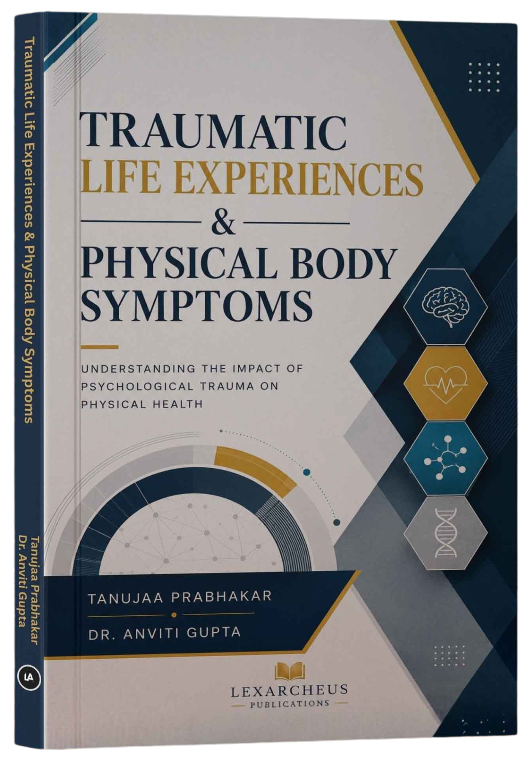
This scholarly work examines the relationship between traumatic life experiences and physical body symptoms through a mixed-method research design. Drawing on data from 130 participants, it combines standardised psychological measures with qualitative accounts to examine how different forms and levels of trauma relate to physical health. The findings indicate a significant positive relationship between traumatic experiences and physical symptoms, with emotional abuse and emotional neglect showing comparatively stronger associations. The qualitative findings explore emotional invalidation, lack of safety, boundary violations, coping patterns and the physical expression of distress. The work promotes integrated, trauma-informed approaches that recognise the close relationship between psychological experiences and physical well-being.
See what readers think about this book.
Be the first reader to share your thoughts.
Help other readers by writing a review.